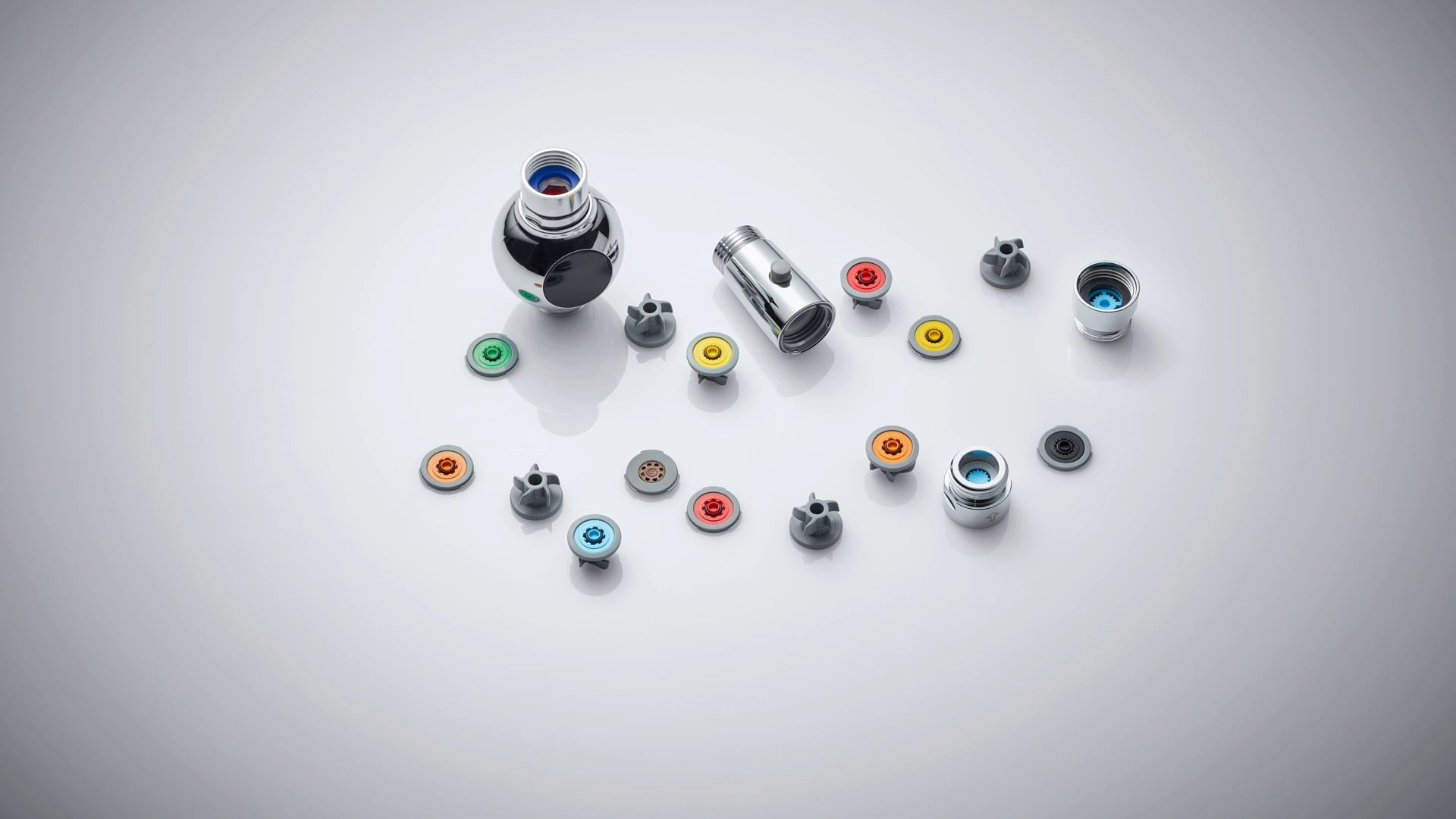
Flow regulators – for an optimized flow
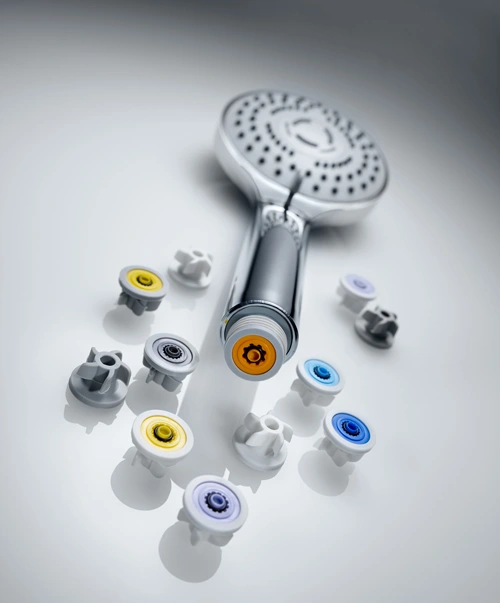
To use water efficiently, the flow rate must be precisely regulated. NEOPERL flow regulators adjust the water flow rate to meet your requirements. They optimize water consumption in household faucets.
Functions of a flow regulator
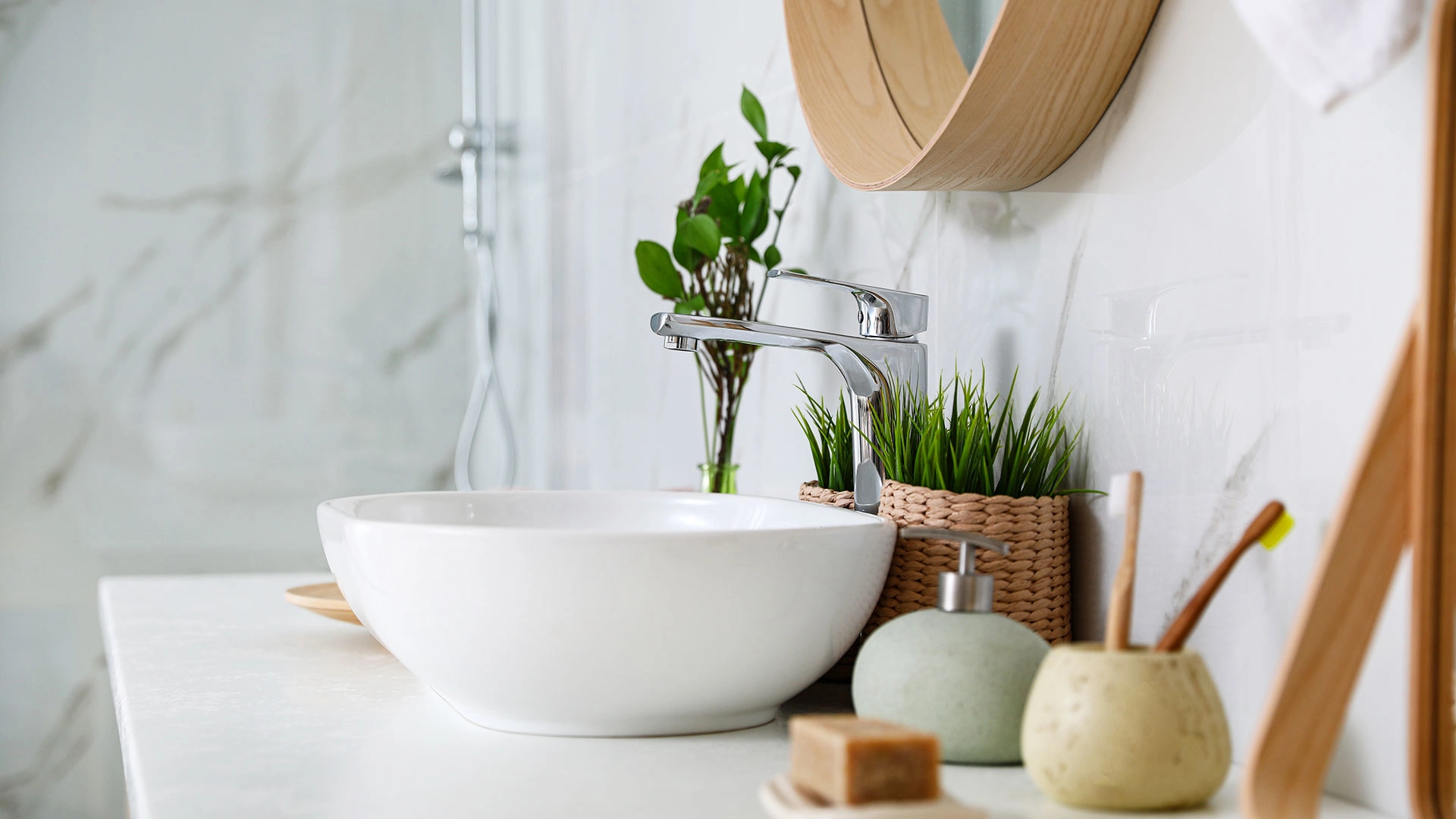
Keeping the flow rate constant
Irrespective of pressure fluctuations, our flow regulators ensure a virtually constant flow rate. This allows water-saving requirements and official standards to be met.
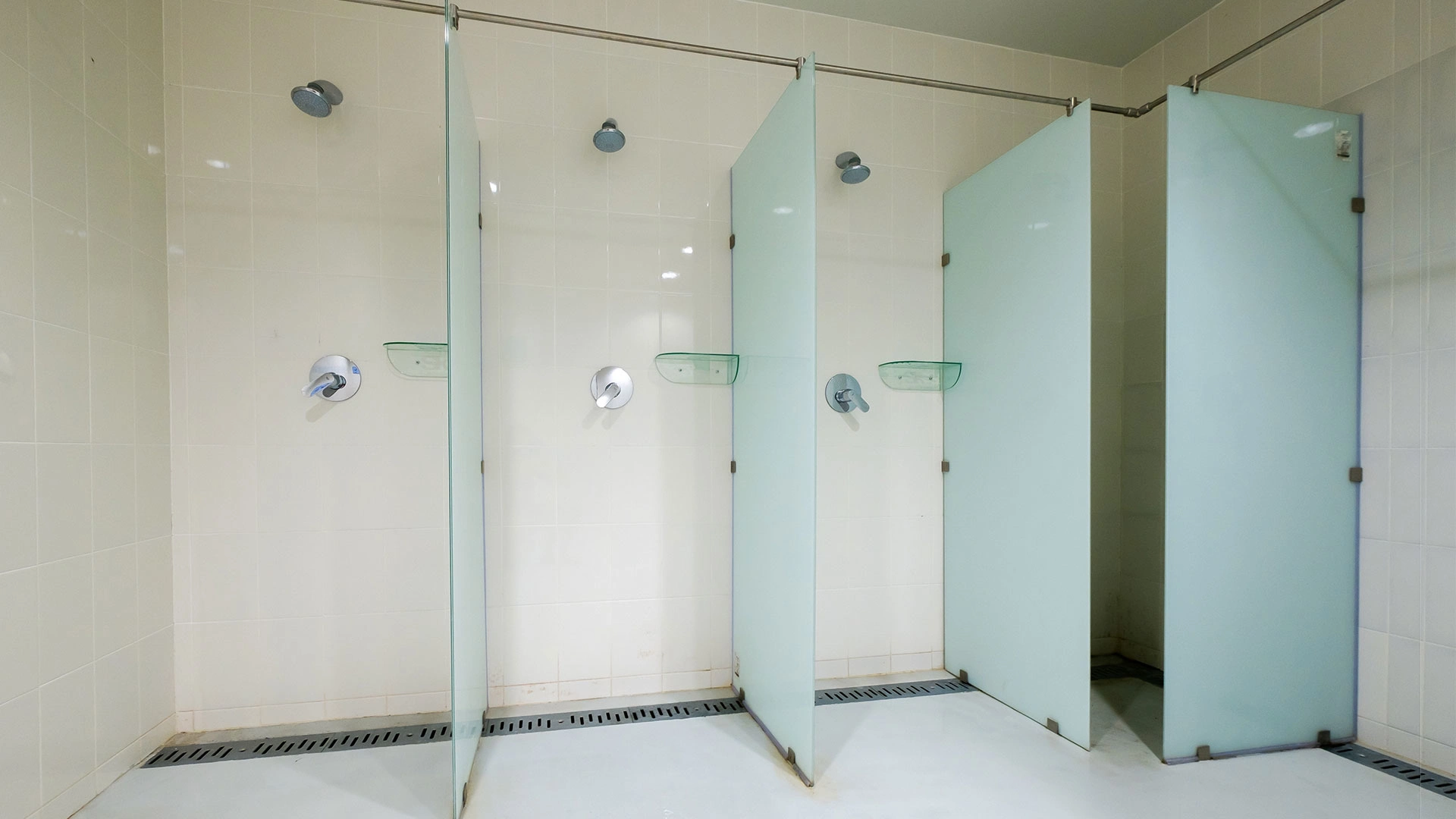
Uniform water distribution
NEOPERL flow regulators ensure uniform water availability at rows of washbasins or at all outlet points in a multi-story building, mitigating the effects of pressure fluctuations.
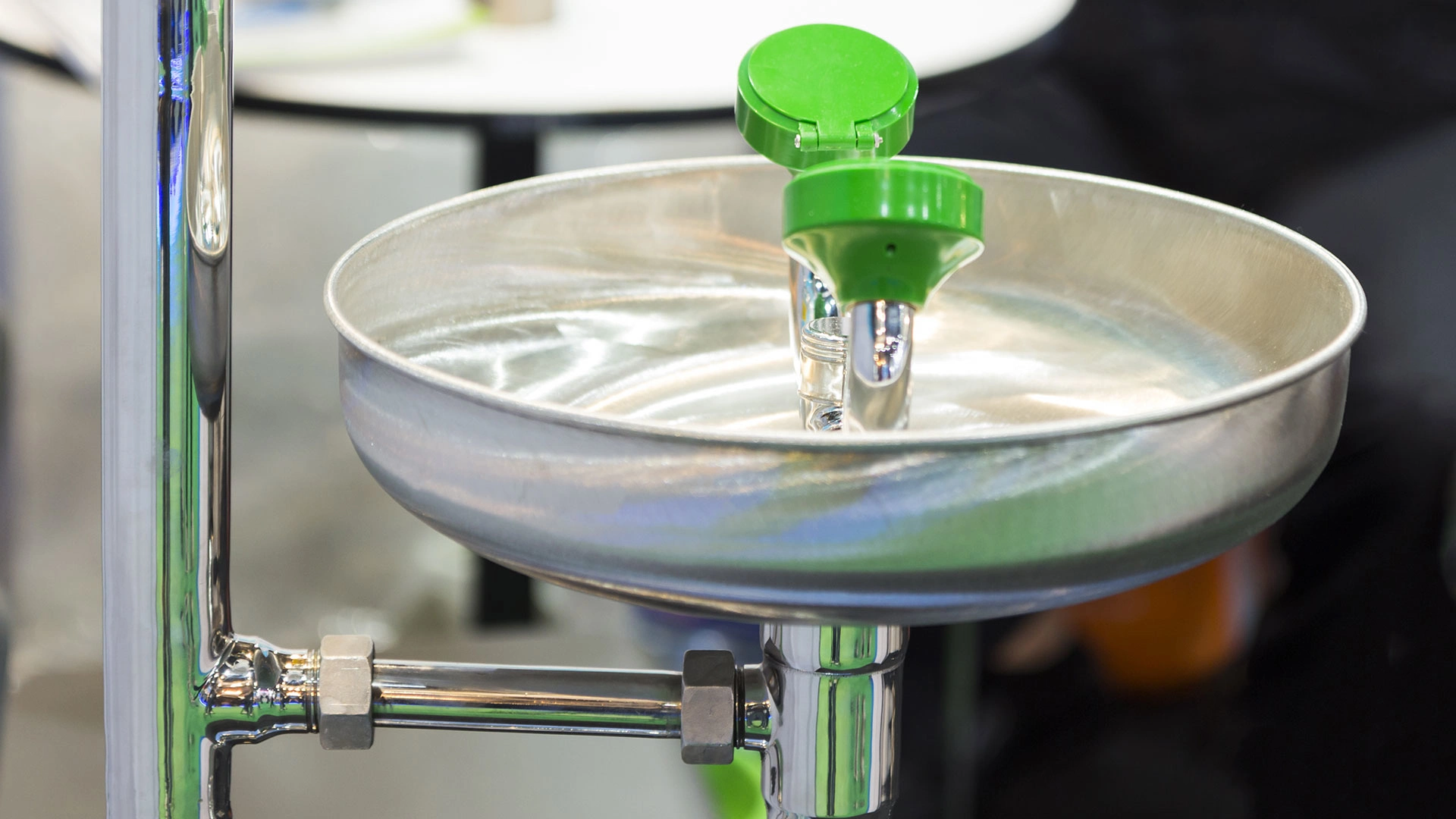
Controlling the water stream
For water stream control, flow regulators control the force and range of the stream. The gentle flow of water aids careful cleaning of the eyes, e.g., in eye showers.
Precisely dosed quantities
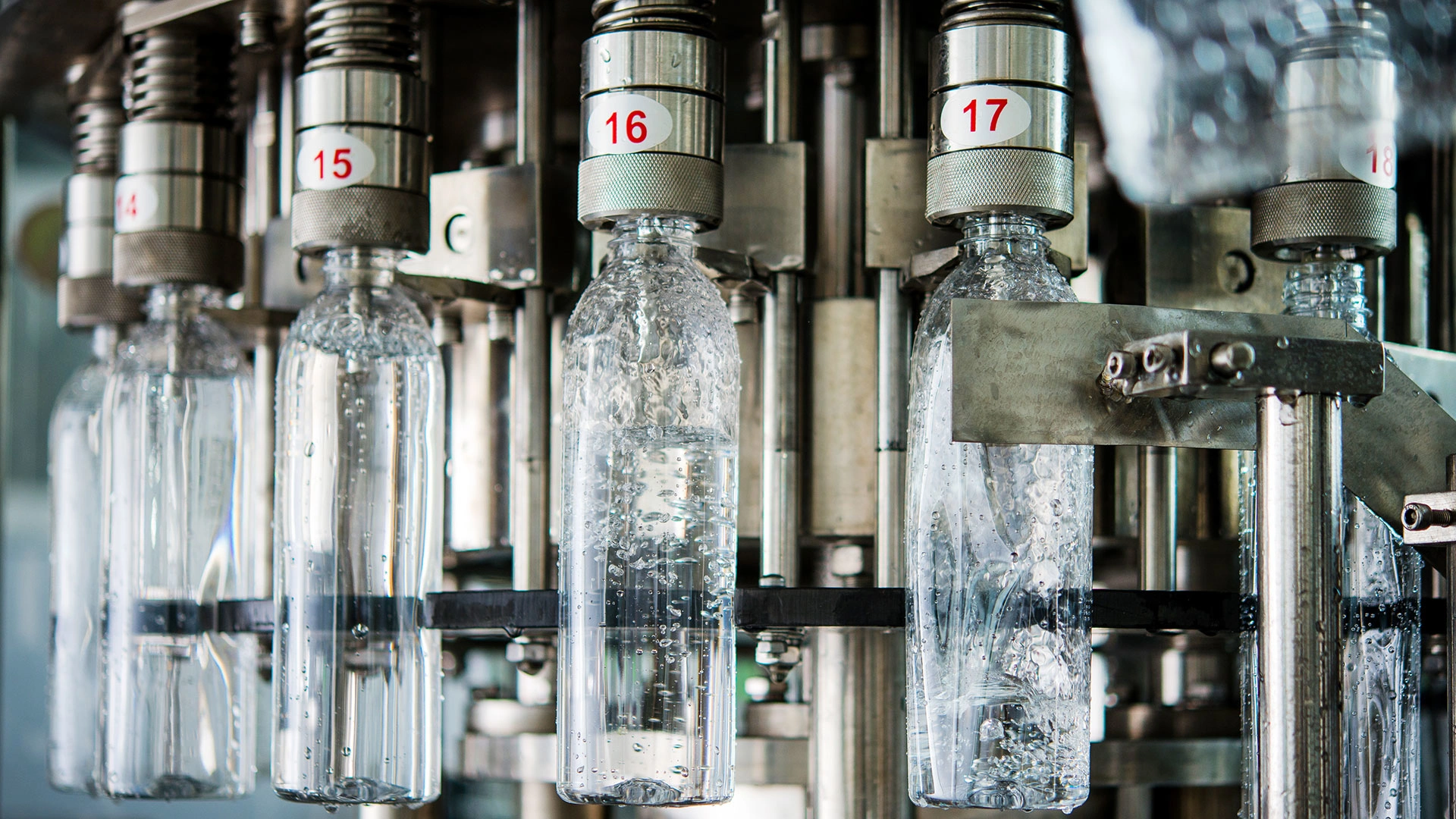
In combination with solenoid valves, our regulators ensure that coffee and drinks machines, as well as industrial filling plants, dispense the correct volume of liquids.
How do flow regulators work?
A typical flow regulator consists of three components:
- a housing
- a seating area
- a precision o-ring
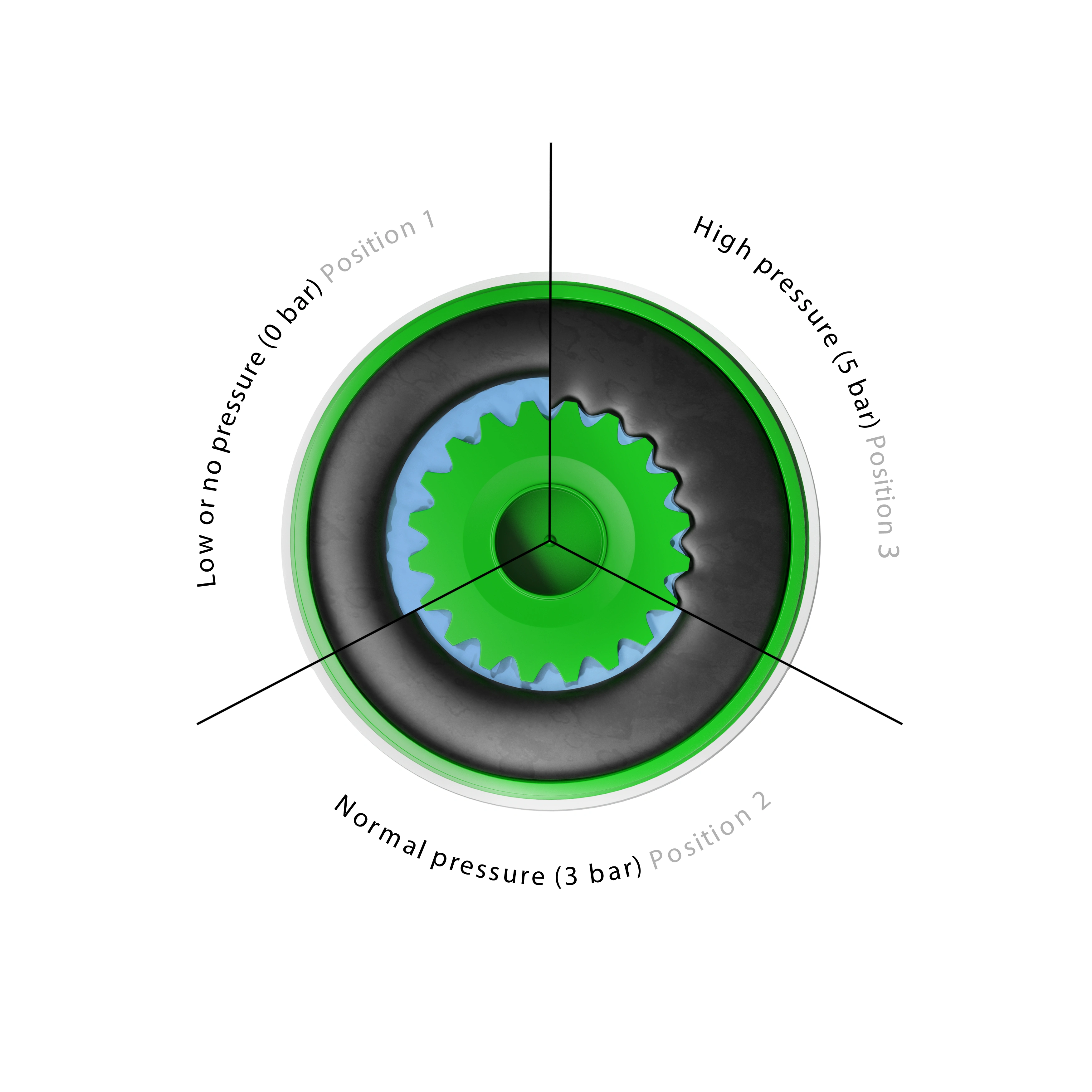
The flow rate is determined by the interaction between the seating area and the o-ring. When water flows through the regulator at a higher or lower pressure, the shape of the o-ring changes.
Static state (no flow; no pressure or low pressure): The o-ring is relaxed (position 1).
Dynamic state (flow): When water flows through the flow regulator, the shape of the o-ring changes and it is pushed into the seating area. This reduces the amount of space for the water to pass through (position 2).
The higher the flow pressure, the more the shape of the o-ring changes (position 3).
As the pressure decreases, the o-ring gradually returns to its original shape, making larger spaces for the water to pass through again (back to positions 2 and 1).
In this interaction, the o-ring and seating area adapt to the changing pressure conditions. A constant flow rate within the specified tolerance is ensured.

Life Cycle Assessment of a Flow Regulator
A NEOPERL flow regulator in a shower head can reduce water consumption during showering. When hot water is used, it can also lower the energy required for water heating.
- But what does the overall balance look like?
- How much water and energy are required for manufacturing and disposal?
- What impacts result from transportation and material use?
- How do these inputs compare with the potential savings achieved during use?
To investigate these questions, the Technical University of Berlin conducted a life cycle assessment (LCA) study on behalf of Neoperl.
The study shows that, under the assumptions and usage conditions defined therein, the potential resource savings achieved during the use phase (10 years) exceed the impacts considered for manufacturing and disposal by at least a factor of 26,000.
You might also be interested in
Faucet aerators
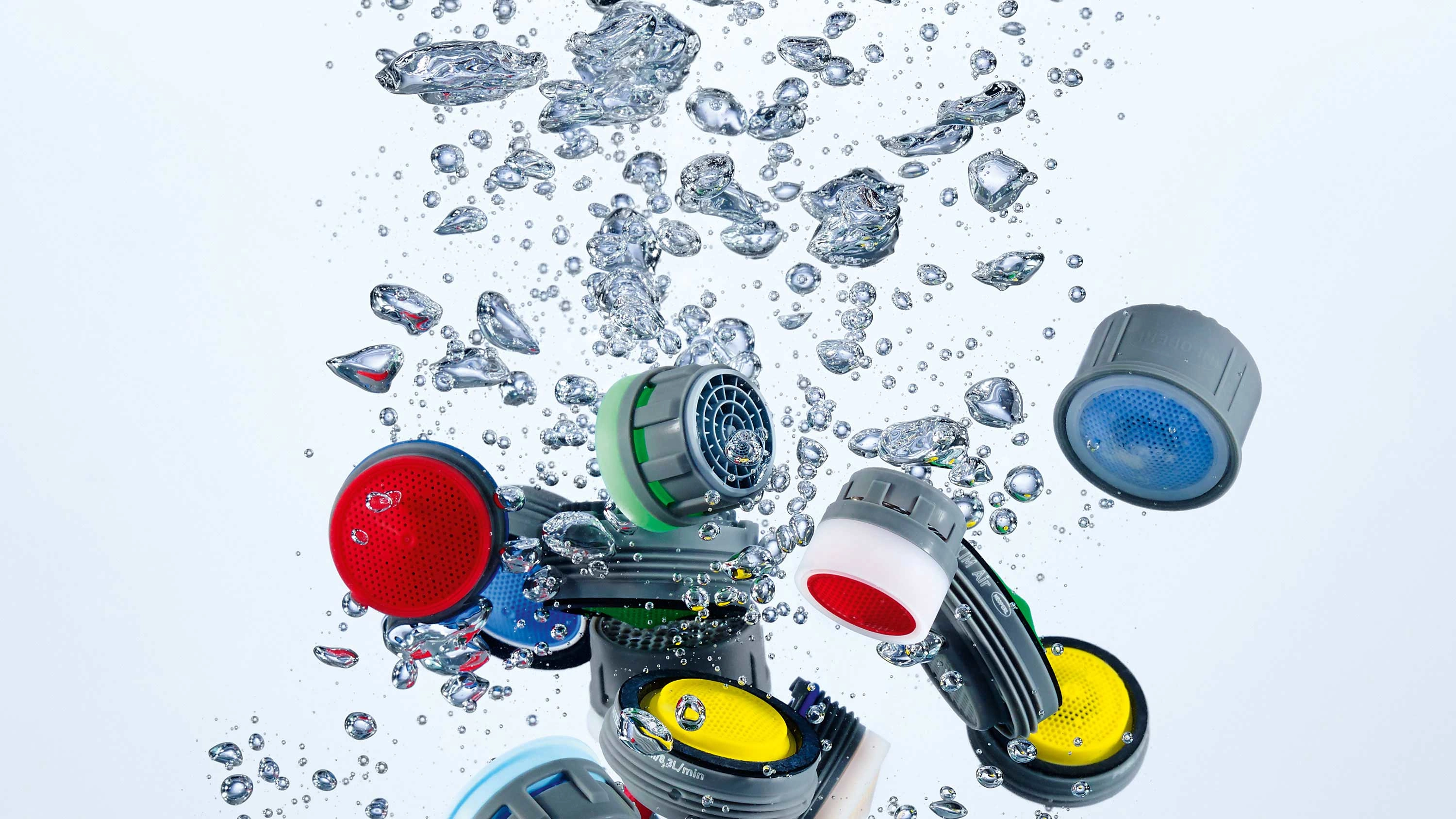
Immerse yourself in the diverse world of faucet aerators from Neoperl and find out more about its tasks, being in use every day in all households.
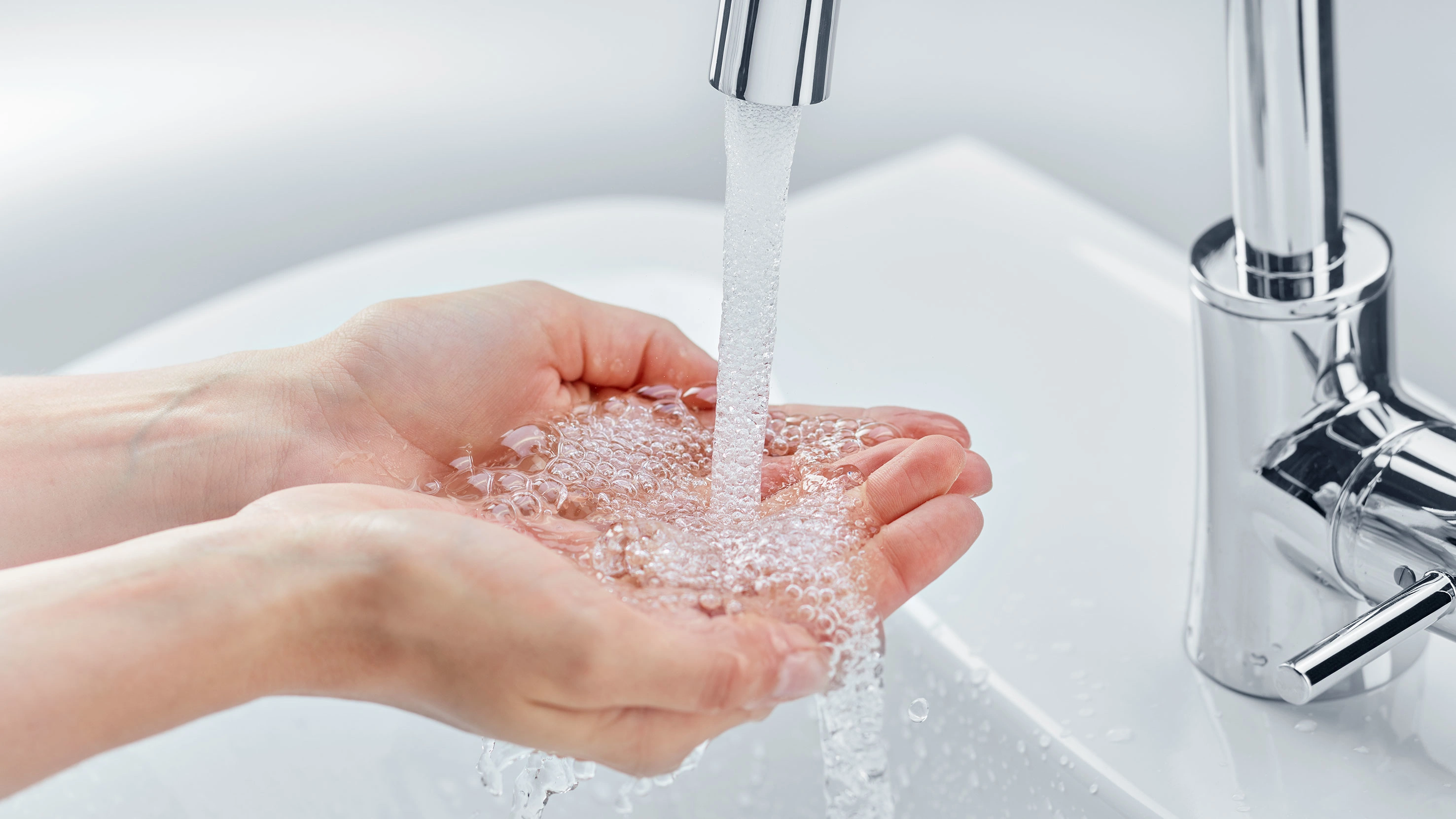
Saving water and energy
Find out about NEOPERL products that can help you save water and energy.
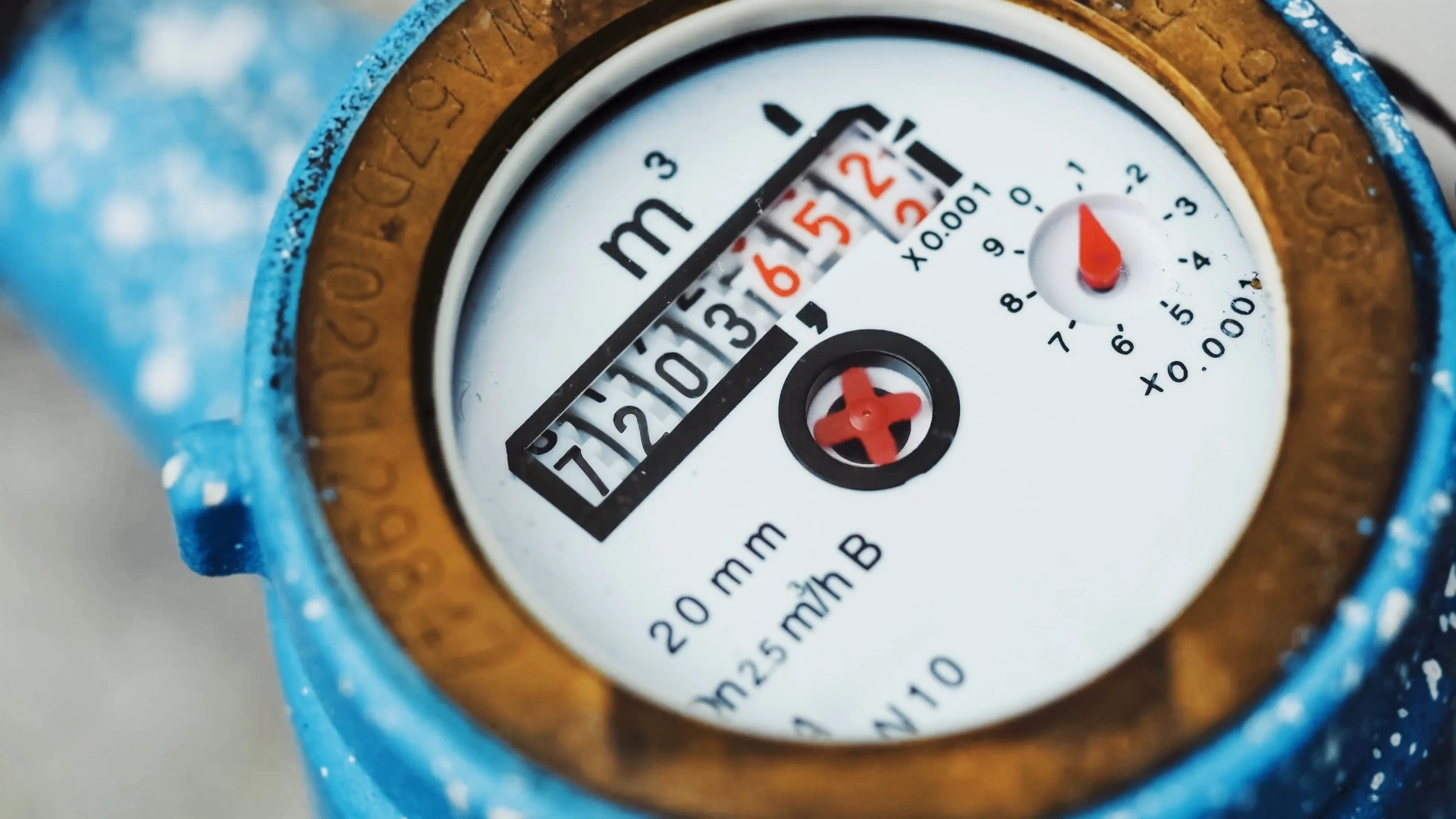
Calculate your own savings!
Our faucets are often not as efficient as they could be. The difference water savers from Neoperl can make in your home can be calculated quickly and individually.